The Advantages of Artificial Grass Installation: A Low-Maintenance Landscaping Fix
Setting up artificial grass offers a reliable remedy for current outdoor needs. It provides environmental advantages through saving water and preventing the use of toxic chemicals. Furthermore, its resilience and vibrant appearance reduce care efforts and bills. As outdoor environments progress, the appeal of artificial grass persistently to grow. Nevertheless, understanding its expansive selection of advantages is indispensable for making an intelligent determination. What noteworthy advantages might surprise property owners considering this alternative?
The Ecological Advantages of Artificial Grass
While countless homeowners seek aesthetically pleasing landscapes, the ecological importance of artificial grass provide persuasive reasons for its placement. Artificial grass markedly reduces water consumption, an essential factor in regions prone to drought. Traditional lawns necessitate considerable irrigation, contributing to water scarcity; however, synthetic turf eliminates this need, safeguarding a critical resource.
Additionally, artificial grass reduces the use of pesticides and fertilizers, which can damage local ecosystems. By reducing chemical discharge, it protects soil and aquatic systems from pollution. Moreover, artificial turf does not demand mowing, which lowers air pollution and noise from lawn maintenance equipment.
Furthermore, it offers a habitat for urban wildlife, as some artificial grass are designed to promote biodiversity. As homeowners increasingly prioritize sustainability, the environmental benefits of artificial grass present a progressive approach for creating green spaces that align with ecological values.
Reduce Hours and Budget With Artificial Grass
Artificial grass presents substantial financial benefits by substantially cutting water usage and lowering maintenance expenses. Homeowners can experience lush, green lawns without the regular maintenance associated with natural grass. As a consequence, both time and money are preserved, making artificial turf an attractive option.
Minimized Water Usage
Many property owners are discovering the important benefits of decreased water consumption that originate from installing artificial grass. Unlike natural lawns, which demand substantial irrigation to preserve their appearance, artificial grass remains vibrant without any supplemental water. This reduction in water consumption not only preserves a vital resource but also enables homeowners reduce their water bills notably. In regions facing drought or water restrictions, artificial grass delivers an environment-friendly option, making certain that outdoor spaces stay lush and inviting without the need for constant watering. By choosing artificial grass, homeowners contribute to eco-friendly landscaping practices while enjoying a beautiful yard that demands minimal water, making it a smart choice for those aiming to reduce their ecological footprint.
Cut Repair Costs
Transforming a garden with artificial grass significantly lowers upkeep expenses for homeowners. Traditional lawns need regular mowing, fertilizing, and pest control, all of which can be time-consuming and costly. In contrast, artificial grass removes the necessity of these services, resulting in significant savings over time. Homeowners no longer face the burden of maintaining equipment or hiring landscaping services. Additionally, there is no need for water, lowering utility bills even further. The longevity of artificial grass also means fewer replacements and repairs, improving its cost-effectiveness. With minimal upkeep required, homeowners can enjoy a pristine landscape without the continuous financial strain associated with natural grass maintenance. This makes artificial grass an attractive option for those seeking a budget-friendly landscaping solution.
Why Lifelike Turf Seems Beautiful in Your Yard
Premium turf beautifies a yard with its natural appearance and texture, closely mirroring real grass. Its year-round vibrant color ensures a rich, welcoming environment regardless of the season. This synthesis of aesthetic appeal and consistency makes artificial grass a exceptional option for homeowners.
Organic Appearance and Texture
While some may dispute the aesthetic value of synthetic grass, its realistic appearance and texture often overcome such reservations. Recent technological breakthroughs have brought about the production of synthetic turf that accurately captures the appearance and texture of genuine grass. The meticulously designed strands capture the fine points of natural blades, providing an authentic visual and sensory experience. This breakthrough allows property owners to enjoy a vibrant green outdoor space without the negatives of standard turf, such as browning or thinning. Furthermore, the broad range of texture options available guarantees that individuals can pick a turf that ideally matches their outdoor space. To summarize, the lifelike quality of artificial turf improves the visual appeal of your yard, turning it a compelling yard solution.
Year-Round Vivid Color
One of the standout aspects of synthetic turf is its capacity to sustain vibrant color across the year. Unlike organic turf, which can diminish or turn brown with variable seasons, synthetic grass remains green and bright despite weather conditions. This consistency improves the overall appearance of any landscape, offering a inviting environment for both homeowners and visitors. The cutting-edge methods used in creating lifelike turf confirms that colors are not only bright but also resistant to UV rays, stopping fading over time. Additionally, the even appearance of artificial grass removes patchy spots often seen in natural lawns, producing a refined look. As a result, homeowners can enjoy a attractive yard without the care required for traditional grass.
Pet-Friendly Characteristics of Synthetic Grass
In what ways do animal owners guarantee their pets have a protected and well-maintained outdoor environment? A reliable option is the installation of pet-friendly artificial grass. This synthetic turf provides a plush, cushioned surface that is comfortable for paws, making it perfect for pets to play and roam around. Unlike natural grass, artificial turf is resistant to muddy patches and unsightly wear, ensuring a tidy outdoor space.
Moreover, numerous types of artificial grass are designed with drainage systems that allow urine and moisture to pass through, avoiding unpleasant odors and maintaining the area hygienic. The materials used in artificial grass are also non-toxic, providing peace of mind for pet owners concerned about their pets' health. In addition, its durability ensures that it can withstand vigorous play, turning it into a long-lasting choice for families. Consequently, pet-friendly artificial grass effectively blends safety, comfort, and low maintenance for a pleasant outdoor experience.
Effortless Upkeep: Nurturing Your Grass
Caring for synthetic turf is uncomplicated, allowing pet parents to focus on enjoying their outdoor space with their furry companions. Unlike natural grass, engineered grass involves minimal upkeep. Regular brushing is critical to preserve its appearance, helping to lift the fibers and retain them appearing new. Pet waste can easily be removed; a simple flush with water is often sufficient. For stubborn stains or scents, a light cleaning mixture can be applied.
Occasional cleaning is also constructive to dislodge dirt and debris. In addition, providing effective drainage is critical to circumvent any accumulation of water or odors. During intense weather, such as heavy snowfall, a light rake can help hold the surface clear. By observing these basic care steps, artificial grass serves as an stunning and efficient supplement to any yard, making it an ideal choice for pet owners wanting a hassle-free outdoor experience.
Steps for a Seamless Artificial Grass Setup
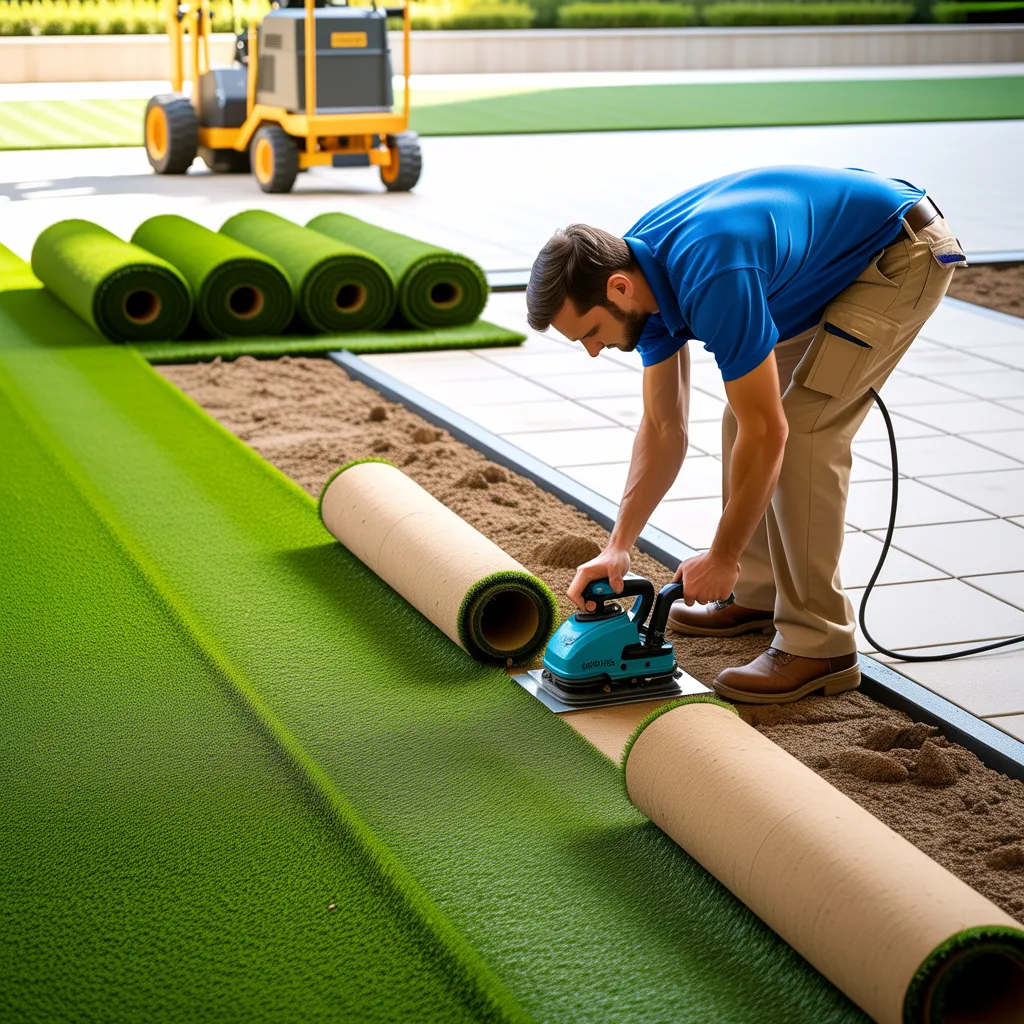
Developing an artificial grass installation plan requires careful consideration to ensure a seamless installation. To begin, site preparation that is proper is necessary. This entails removing debris from the space, existing grass, and weeds, followed by evening out the surface to establish a reliable base. Then, a geotextile material should be laid down to reduce weed emergence and boost drainage performance.
Once the base is set up, the installer should spread a combination of crushed explore rock or decomposed granite to reach the desired drainage and solidity. After compacting this layer, the artificial grass rolls can be rolled out and cut to fit the designated area.
Attach the edges with landscape fasteners or adhesive, validating the seams are tightly joined for a natural appearance. Lastly, infill material like silica sand or rubber granules should be added to strengthen support and imitate natural grass sensation. Proper installation provides longevity and excellent operation of the artificial turf.
Strategies for Choosing and Weighing Artificial Grass Choices
Selecting the right artificial grass involves assessing different choices to guarantee suitability for specific needs. Key factors to contemplate include pile height, which affects appearance and comfort, and fiber type, with options ranging from polyethylene to nylon, each offering distinct durability and feel.
Additionally, one must analyze the mass and thickness of the grass, as these properties affect resilience under foot traffic. Color options also hold great importance, with variants available from realistic greens to more vibrant shades, catering to personal preferences.
It is crucial to evaluate warranty terms and upkeep needs provided by different manufacturers, guaranteeing sustained satisfaction and optimal performance. Finally, requesting samples can assist in evaluating texture and aesthetics firsthand, enabling a more educated choice. By carefully reflecting on these aspects, individuals can choose artificial grass that meets both practical and visual criteria successfully.
Popular Questions Asked Frequently
Is Faux Grass Suitable for Children to Enjoy On?
Artificial grass is generally secure for children to use for play, as it is created to be non-toxic and devoid of harmful chemicals. Additionally, its soft surface reduces the risk of injuries during playtime activities.
What is the Duration of Synthetic Turf Typically?
Artificial grass typically lasts 15 to 25 years, depending on factors such as quality standards, use, and weather factors. Proper maintenance can extend its lifespan, ensuring a durable and attractive surface for various activities.
Does Artificial Grass Increase Property Value?
Artificial grass can boost property value by delivering an visually stunning, hassle-free option instead of natural lawns. Prospective buyers often favor the decreased maintenance and consistent visual appeal, making properties with artificial grass more sought-after in the market.
What Are the Optimal Conditions for Artificial Grass?
Artificial grass flourishes in different climate zones, particularly in areas with moderate temperatures and minimal precipitation. It performs well in locations with hot conditions, dry spells, or scarce water supply, offering a resilient solution for diverse environmental conditions.
How Does Installing Fake Turf Impact the Local Wildlife?
Artificial grass may harm local wildlife by decreasing native vegetation, limiting food sources, and creating barriers for small animals. However, it may also offer a protected, hygienic space for pets and play areas.